Orbital welding is an advanced, mechanized variant of the TIG welding process in which a tungsten electrode, along with an electric arc, rotates a full 360° around a pipe or other cylindrical element. This movement is controlled by an orbital welding head, and the entire process is performed according to programmed parameters: current, rotation speed, filler wire feed, and shielding gas flow. This automation significantly reduces the impact of human factors, stabilizes the weld, and allows for high-quality joints even under demanding assembly conditions.
This technology finds wide industrial applications for orbital welding wherever process cleanliness, tightness, and repeatable weld geometry are essential. It is most commonly used in the assembly of stainless steel pipelines in pharmaceutical and biotechnology installations, food and dairy processing lines, chemical and petrochemical plants, and in the energy sector. Mechanized orbital welding is also effective in compressed air systems, industrial gas installations, and thin-walled process pipelines, where manual arc control would be insufficiently precise.
A key advantage of this technology is repeatability – once a welding program is developed, it can be repeated multiple times, resulting in high-quality welds across a series of joints. In practice, orbital welding ensures uniform penetration, uniform weld bead width, and stable mechanical properties of the joint. This is why orbital welding increases the safety of process installations, minimizes the risk of leaks, and reduces the occurrence of welding defects, becoming a fundamental method in modern industrial projects requiring the highest quality standards.
Prerequisite 1: Preparing the Pipes for Welding
One of the key steps in preparing for orbital welding is professional material preparation. In the case of process installations, pipe preparation for welding must be performed with exceptional precision – any error at this stage can result in welding defects, incomplete penetration, or compromised joint tightness.
The key is precise cutting of the pipes at a right angle to the axis and maintaining ideal end geometry. Irregularities, deviations, or deformed edges prevent proper arc control and compromise process stability, even when using advanced orbital welding technology. Next, chamfering is performed, which involves shaping the edges at the correct angle, in accordance with the WPS and project requirements. The chamfer profile directly affects the penetration and final quality of the orbital weld.
Equally important is thorough cleaning of the pipe ends. The surfaces of the weld zone must be free of oils, grease, moisture, oxides, metal shavings, and other contaminants. In stainless steel installations, dedicated cleaning agents and stainless steel brushes are used to prevent the introduction of foreign particles into the material. Only components prepared in this way can achieve high-quality welded joints and reduce the risk of defects that could only become apparent during operation.
In practice, orbital welding requires the use of specialized equipment at the pre-treatment stage. Pipe preparation includes, among other things, the use of special equipment. Orbital cutters, simultaneous cutting and chamfering machines, manual or electric chamfering machines, centering systems, and surface degreasing and cleaning kits. These welding tools and accessories ensure consistent component preparation, reduce assembly time, and directly contribute to orbital welding ensuring a stable process and high quality of every weld.
Condition 2: Accurate Fit and Positioning of Components
After proper material preparation, the next critical step is accurate fitting and positioning of components, also known as fit-up. In orbital welding, the joint geometry must be repeatable and stable around the entire circumference of the pipe – even small axial shifts, diameter differences, or uneven gaps can disrupt the process and reduce the final quality of the orbital weld.
In practice, precise pipe welding requires maintaining a constant weld gap and perfect concentricity of the joined components. Controlling clearances between edges, setting the contact angle, and eliminating so-called “slips” are key factors in achieving this. “Steps” at pipe joints are fundamental steps that directly affect penetration and the shape of the weld face. In process installations, where high-quality connections and system tightness are essential, this preparation step cannot be omitted.
Specialized positioning systems are used to ensure stable pipe alignment: mounting clamps, internal and external centering clamps, spacers, and guides designed for use with orbital welding heads. These solutions maintain consistent joint geometry throughout the welding cycle, which is particularly important in mechanized orbital welding, where the process is performed automatically according to programmed parameters.
A well-executed fit-up ensures orbital welding minimizes the risk of undercuts, lack of fusion, or excessive material overflow. At the same time, welding parameter control can be maintained in a stable and predictable manner, and the resulting high-quality welded joints meet the acceptance requirements of pharmaceutical, food, chemical, and energy installations.
Requirement 3: Qualified Operator and Training
Although mechanized orbital welding relies on automated head movement and stable parameter control, the orbital welding operator still plays a key role in the entire process. They are responsible for station preparation, welding program selection, equipment configuration, and real-time process evaluation. Therefore, industrial projects requiring the highest quality joints require a certified operator and regular orbital welding training, confirming technical competence and knowledge of procedures.
Professional orbital welding training covers not only equipment operation but also the interpretation of parameters such as current, welding speed, shielding gas flow, filler wire feeding, and head movement sequence programming. The ability to analyze this data allows for quick response to process deviations and maintain stable orbital welding quality even under changing installation conditions.
The operator’s work also relies on excellent knowledge of the TIG welding process, on which orbital technology is based. Understanding the behavior of the electric arc, the influence of the gas shield, electrode geometry, and material type allows orbital TIG welding to precisely control penetration and weld shape. It is this combination of TIG knowledge and practical experience working with an orbital welding head that creates the foundation for orbital welding perfectly adapted to the requirements of process installations.
Highly competent personnel translate directly into high-quality welded joints, reduced risk of errors and defects, and improved process documentation. Therefore, investors are increasingly demanding that welding operator qualifications include both formal qualifications and documented experience in implementing industrial projects utilizing modern orbital welding technology.
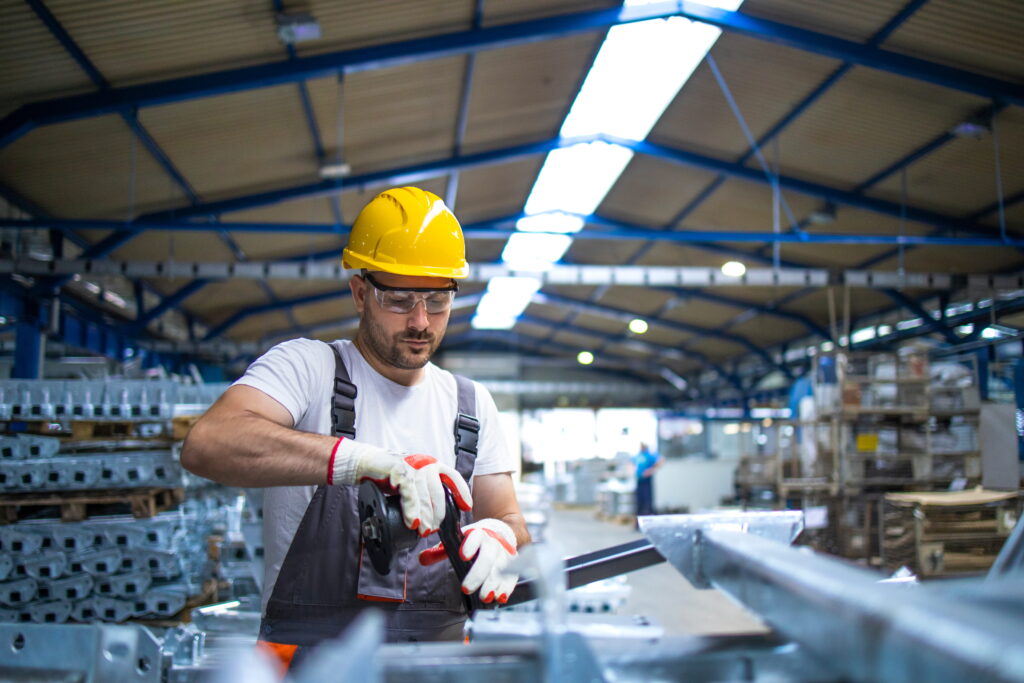
Condition 4: Equipment and Process Parameters
Achieving repeatable and tight joints requires not only proper pipe preparation and personnel skills, but also the appropriate orbital welding equipment. Modern industrial installations utilize complete, integrated systems consisting of a power source, process controller, wire feeder, and interchangeable welding head. This configuration allows for full control of welding parameters, cycle recording, and rapid playback of programmed sequences, which is the basis for the automation of welding processes using orbital technology.
A key element of the system is the orbital welding head, selected depending on the pipe diameter, wall thickness, and available installation space. For thin-walled pipelines and installations requiring maximum cleanliness, a closed TIG welding head—often referred to as a closed TIG welding head—is used, which completely shields the arc zone and stabilizes process conditions. For larger diameters or difficult access, open welding heads, including an open welding head, are used, allowing for flexible process management while maintaining high weld quality.
Equally important is the correct setting and calibration of technological parameters. In TIG orbital welding, the current intensity, welding speed, arc rise and fall times, filler wire feed, and shielding gas flow—usually pure argon, which protects the weld pool from oxidation—are precisely selected. These parameters are saved in the machine’s program and linked to the process documentation, ensuring stable and repeatable mechanized orbital welding.
Properly selected equipment and proper process configuration ensure that orbital welding ensures uniform penetration across the entire pipe circumference, reduces the risk of defects, and maintains high weld quality in stainless steel installations, process pipelines, and industrial gas systems. In practice, it is the technical compatibility of equipment and parameters that determines whether orbital welding will meet the rigorous requirements of modern industrial projects.
Condition 5: Control and Documentation of the Orbital Welding Process
In technological installations with high quality requirements, simply making the joint is only half the battle. Control and documentation of the orbital welding process are equally important, confirming compliance with the design, technological procedures, and applicable industry standards. In modern orbital systems, controllers record key parameters – current intensity, welding speed, shielding gas flow, and wire feed – enabling ongoing monitoring of welding parameters and rapid detection of deviations from programmed values.
The basis for evaluation is weld quality control, which includes both visual inspection of the weld bead and non-destructive testing, if required by the project. For new material configurations or process settings, coupon tests are also performed and subjected to macroscopic and microscopic analysis to confirm proper penetration and weld structure. Such activities allow for early detection of potential welding defects and verify that the adopted orbital welding method guarantees the expected durability of the joint.
An integral part of the process is the detailed recording of technological data in control sheets, cycle reports, and acceptance protocols. Documentation of the orbital welding process includes material identification, program parameters, operator data, visual inspection results, and any additional tests. This provides the investor with a complete history of the installation, and the contractor can demonstrate that orbital welding ensures repeatable, high-quality welded joints.
At the final stage, a quality protocol is created, which serves as a formal condition for acceptance of the pipeline or entire process installation. This document confirms that the welding technology used meets contractual, design, and regulatory requirements, and that the joints can be safely approved for use in demanding industrial environments.
Condition 6: Workplace Safety and Organization
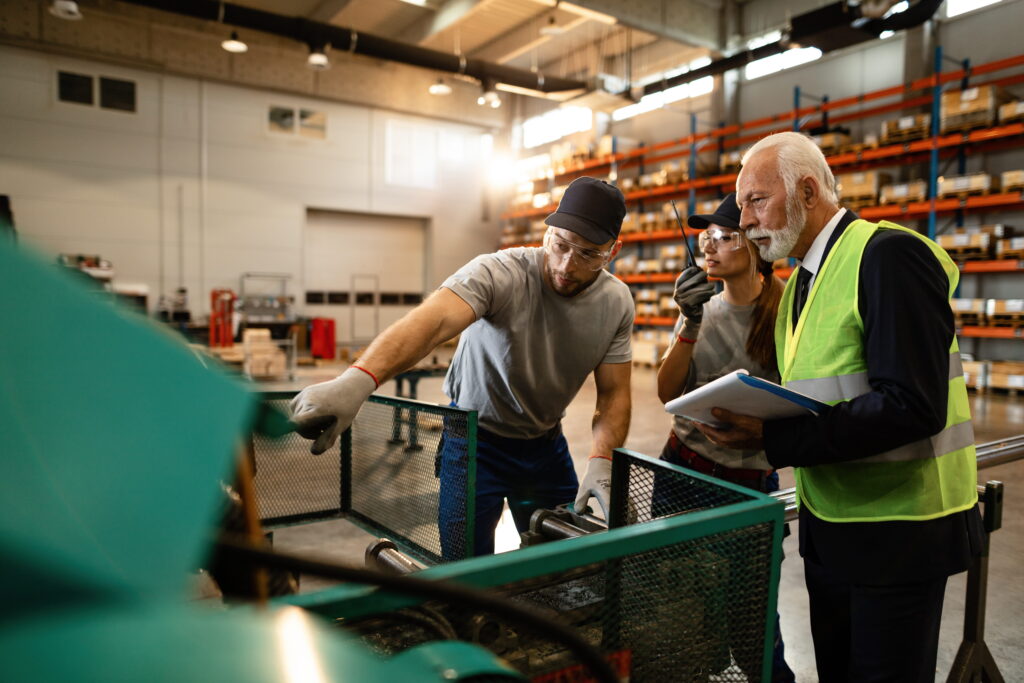
Last, but absolutely no less important, in preparing an installation for orbital welding in practice is proper workplace organization and ensuring a high level of occupational safety. Even the best-selected equipment and qualified personnel will not guarantee stable results if the process is conducted in uncontrolled environmental conditions. In industrial projects, it is standard practice to designate a safe work zone, separated from other assembly work, with controlled access and clear signage.
Adequate ventilation and welding fume extraction also play a key role, especially in enclosed technical rooms or production halls. Maintaining clean air in the work area affects not only the health of personnel but also the stability of the arc and the quality of orbital welding. At the same time, complete personal protective equipment is used: welding masks with a filter, flame-resistant clothing, gloves, eye and ear protection, and, if necessary, respiratory protection.
Ergonomic preparation of the equipment installation site is also crucial. Power sources, controllers, and cooling systems must be placed on a stable surface, protected from moisture and mechanical damage, and cable routes must be routed so as to avoid tripping hazards or accidental disconnection during the welding cycle. This station design facilitates the automation of the orbital welding process and ensures continuous operation without unplanned downtime.
A well-designed work environment ensures orbital welding minimizes the risk of accidents, allowing the operator to focus on monitoring the process and the quality of the joints. As a result, the entire process is more efficient, safer, and in line with technological requirements, which directly impacts the durability of the installation and the high quality of the joints in industrial use.
Summary: Why orbital welding guarantees the highest quality in industrial installations
Meeting all six technical requirements ensures that orbital welding technology can be fully utilized in industrial installations with the highest quality requirements. Proper preparation for orbital welding, precise fit-up, qualified personnel, appropriate orbital welding equipment, parameter control, and safe work organization ensure that orbital welding ensures a stable and repeatable process.
The key advantages of orbital welding include:
-
high weld quality and uniform penetration around the entire pipe circumference,
-
repeatable joint parameters and geometry throughout the entire series,
-
reduced human impact thanks to automation,
-
orbital welding minimizes the risk of defects and leaks,
-
shorter installation time and reduced rework and maintenance costs,
-
optimized installation operating costs throughout the project lifecycle.
In practice, this means that orbital technology applications include the most demanding process installations – from pharmaceuticals and food to energy and the chemical industry – where high-quality welded joints are a prerequisite for safe and long-term operation.
FAQ
Is orbital welding suitable for thin-walled pipes?
Yes. Welding thin-walled pipes is one of the primary applications of this technology. Thanks to precise parameter control and the stable operation of the orbital head, it is possible to produce joints with very high repeatability without the risk of burn-through or material deformation.
Does orbital welding quality meet rigorous industry standards?
A properly prepared process, carried out by a certified operator and documented in quality protocols, allows achieving orbital welding quality that meets the requirements of pharmaceutical, food, chemical and energy installations.
Does orbital technology reduce investment costs?
Yes – despite higher initial equipment costs, orbital welding increases project efficiency through faster assembly, fewer reworks, and reduced downtime during commissioning.
Do I need special permissions for orbital welding?
Yes. A trained and certified orbital welding operator is required who is familiar with both the TIG welding process and the specifics of working with the orbital welding head and control systems.